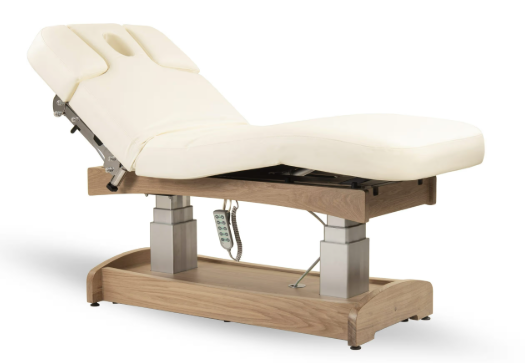
Manual, fixed-height massage tables once dominated professional practice, but an electric massage table has increasingly become the standard expectation for established treatment rooms, offering practical advantages that genuinely affect both practitioner wellbeing and treatment versatility.
The Core Advantage of Electric Adjustability
The fundamental benefit an electric massage table provides is effortless height and positioning adjustment, allowing practitioners to customize table configuration for their own ergonomic comfort and for specific client needs without the physical effort and time manual adjustment mechanisms require.
See also: How Virtual Reality Is Changing the Way People Learn New Skills
Ergonomic Benefits for Practitioners
Massage therapy is physically demanding work, and practitioners who spend years working at improperly positioned tables often experience accumulated physical strain. Electric adjustability allows quick optimization for each practitioner’s individual height and each treatment’s specific technique requirements, genuinely supporting long-term occupational health.
Treatment Versatility Enabled by Adjustability
Beyond ergonomic benefits, electric tables support greater treatment versatility, allowing quick repositioning between different techniques or even different treatment types entirely, without the interruption manual adjustment would introduce between client appointments throughout a busy day.
Motor Quality and Reliability Considerations
Since the electric adjustment mechanism represents the core functional advantage over manual alternatives, motor quality significantly affects both immediate usability and long-term reliability, making this a genuinely important factor when comparing different electric table options.
Weighing Investment Against Manual Alternatives
While electric massage tables command a meaningful price premium over manual options, many practitioners find the ergonomic and workflow benefits justify this investment, particularly for practices with consistent daily use where the cumulative time and physical savings add up considerably.
Practitioners researching this equipment category can explore detailed options through this resource on electric massage table models suited for professional practice.
Noise Considerations During Treatment
Motor noise during adjustment, while sometimes overlooked during equipment research, can genuinely affect the calm treatment atmosphere massage therapy depends on, making quieter motor systems a worthwhile consideration even at a modest price premium.
Maintenance Requirements Beyond Manual Tables
The additional mechanical and electrical components an electric table introduces require some additional maintenance attention compared to simpler manual alternatives, worth factoring into ongoing operational planning and equipment care routines.
Final Thoughts
An electric massage table offers genuine practical advantages for established practices, combining ergonomic benefits for practitioners with enhanced treatment versatility, making this investment increasingly standard for professional treatment settings prioritizing both practitioner wellbeing and client experience.
Frequently Asked Questions
How much of a price premium do electric tables typically carry over manual options? This varies by manufacturer and specific features, generally representing a meaningful but often worthwhile premium for practices with consistent daily use.
Do electric tables require more maintenance than manual alternatives? Somewhat, given the additional mechanical and electrical components involved, making appropriate maintenance planning worthwhile for long-term reliability.
Is motor noise a significant concern for most practices? This varies by specific model, though it’s worth considering given how it can affect the calm atmosphere many treatment settings aim to maintain.
