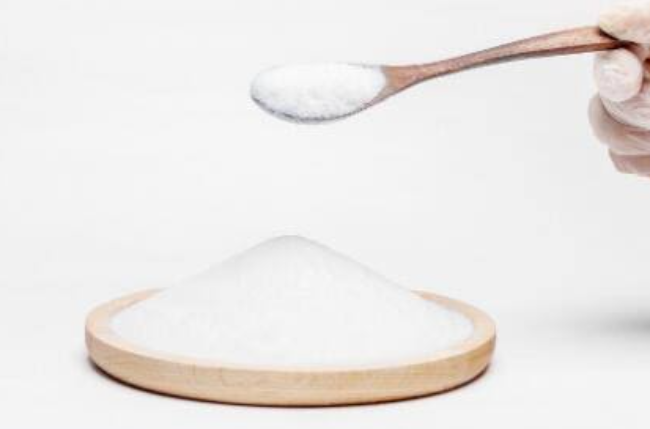
While fumed silica is perhaps best known for its role in coatings and adhesives, its application within advanced ceramics manufacturing represents a less widely discussed but genuinely significant use case. Specifically, fumed silica ceramic transparency contributions have become an area of growing interest for manufacturers developing specialty translucent and transparent ceramic products for optical and technical applications.
Understanding the Transparency Challenge in Ceramics
Achieving meaningful transparency in ceramic materials is inherently challenging, given that conventional ceramic manufacturing processes typically result in microstructures containing residual porosity and grain boundaries that scatter light, producing the opaque or translucent appearance characteristic of most traditional ceramic products. Developing ceramics with genuine optical transparency requires minimizing these light-scattering features through careful control of raw material characteristics and processing conditions.
Fumed silica’s extremely fine particle size and high purity make it a candidate additive for supporting this transparency objective, primarily through its potential contribution to improved particle packing and reduced sintering temperatures that can help achieve denser, more homogeneous ceramic microstructures.
The Mechanism Behind Improved Packing Density
When incorporated appropriately into a ceramic formulation, fumed silica’s nanoscale particles can help fill interstitial spaces between larger primary ceramic particles, contributing to a denser green body structure before firing. This improved initial packing density can translate into reduced residual porosity in the finished, fired ceramic material, directly supporting improved light transmission through the material.
Compatibility Considerations for Transparency Applications
Not all ceramic base compositions respond equally well to fumed silica incorporation when transparency is the primary objective. The specific crystal structure and optical anisotropy of the base ceramic material significantly influence the maximum achievable transparency, meaning fumed silica’s packing benefits, while helpful, cannot overcome fundamental optical limitations inherent to certain ceramic compositions.
Balancing Transparency with Other Performance Requirements
Manufacturers pursuing fumed silica ceramic transparency improvements also need to consider how this formulation approach affects other important performance characteristics, including mechanical strength, thermal stability, and chemical resistance, since optimizing purely for optical transparency without regard to these other properties could result in a ceramic product unsuitable for its intended application despite achieving improved transparency.
Processing Adjustments to Support Transparency Objectives
Beyond raw material formulation, achieving improved ceramic transparency through fumed silica incorporation typically requires corresponding adjustments to processing conditions, including sintering temperature profiles and atmosphere control, to ensure the potential benefits of improved particle packing are fully realized in the final densified microstructure rather than being undermined by suboptimal firing conditions.
A more detailed technical exploration of how fumed silica specifically contributes to improved ceramic transparency, including formulation and processing guidance for manufacturers pursuing this application, is available in this resource on fumed silica ceramic transparency improvement strategies, which examines these relationships in additional technical depth.
Applications Benefiting from This Approach
Ceramic products where improved transparency offers meaningful value include certain specialty lighting components, optical windows for demanding environments, and various technical ceramic applications where the combination of ceramic material properties, such as hardness and thermal stability, alongside improved optical performance provides advantages over alternative materials.
Evaluating Whether This Approach Fits Your Application
Manufacturers considering fumed silica incorporation specifically for ceramic transparency improvement should carefully evaluate whether their specific ceramic composition and application requirements align well with this formulation strategy, since the benefits achievable can vary considerably depending on the base material system and the specific transparency performance targets required for the end application.
See also: Why Charleston Businesses Choose Chucktown Website Design for Digital Growth
Frequently Asked Questions
Can fumed silica be added to any ceramic composition to improve transparency? Not universally; the base ceramic material’s inherent crystal structure significantly influences achievable transparency, and fumed silica’s benefits are most pronounced when combined with compositions already capable of reasonable optical performance.
How much fumed silica is typically needed to achieve meaningful transparency improvement? Addition levels vary depending on the specific ceramic system and desired outcome, making formulation-specific testing across a range of addition levels the most reliable approach to determining an optimal loading level.
Does using fumed silica for transparency purposes require different processing than standard ceramic manufacturing? In many cases, some adjustment to sintering conditions is beneficial to fully realize the potential transparency improvements, though the extent of process modification needed depends on the specific formulation and existing manufacturing setup.
Conclusion
Fumed silica ceramic transparency contributions represent a specialized but genuinely valuable formulation strategy for manufacturers developing translucent and transparent ceramic products. By understanding the underlying mechanisms and carefully balancing transparency objectives with other essential performance requirements, manufacturers can more effectively evaluate whether this approach fits their specific product development goals.
