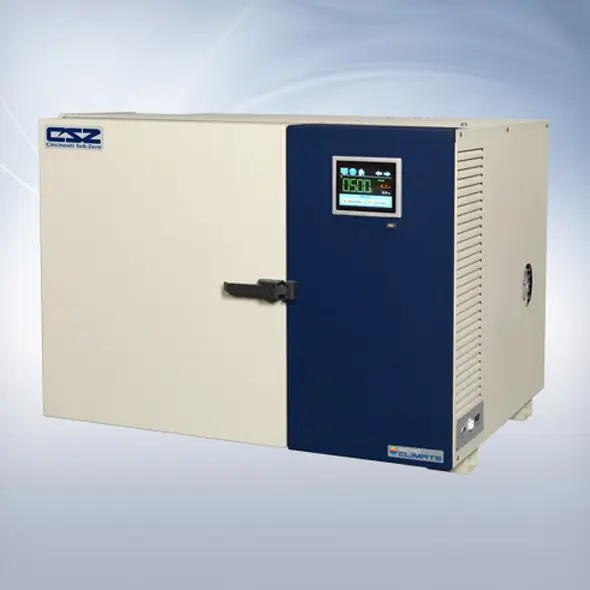
As testing labs scale up their capabilities, compact climatic chambers often provide a practical middle ground, offering genuine environmental testing precision without requiring a major facility overhaul. This guide looks at why they’re a smart choice for labs in growth mode.
Why Compact Doesn’t Mean Compromised
Modern compact climatic chambers deliver precise temperature and humidity control comparable to larger units, simply within a smaller footprint, making them a genuinely capable option rather than a scaled-down compromise.
See Also: What the FDA Crackdown on Compounded GLP-1 Means in 2026
Scaling Testing Capability Incrementally
For labs not yet ready to invest in large walk-in environmental chambers, compact climatic chambers allow incremental capability building, adding testing capacity as budget and space allow rather than requiring a large upfront investment.
Flexibility Across Multiple Testing Needs
Many compact climatic chambers support a range of temperature and humidity profiles, allowing a single unit to serve multiple testing protocols rather than requiring separate equipment for each application.
Supporting Multi-Location Testing Operations
Organizations with multiple facility locations sometimes find compact chambers practical for distributing testing capability across sites, rather than centralizing all testing in one location with a single large chamber.
For a closer look at available compact climatic chamber configurations, LIB Industry compact climatic chambers offers additional detail worth reviewing.
Considerations for Future Growth
While compact chambers serve many labs well, it’s worth honestly evaluating whether your testing volume and specimen size projections might eventually outgrow a compact chamber’s capacity, informing a more strategic long-term equipment plan.
Balancing Cost and Capability
Compact climatic chambers generally offer a lower upfront cost than larger units, making them an attractive option for labs balancing testing capability needs against budget constraints during growth phases.
Frequently Asked Questions
Do compact climatic chambers sacrifice testing precision compared to larger units? Not necessarily; many compact models offer comparable precision to larger chambers, simply within a smaller testing volume.
Are compact chambers a good long-term investment or just a stopgap? For labs with consistently smaller specimen needs, they can serve as a genuine long-term solution rather than merely a temporary stopgap.
Can multiple compact chambers replace one large chamber effectively? In many cases yes, particularly when parallel testing under different conditions is more valuable than a single larger testing volume.
Final Thoughts
Compact climatic chambers offer growing labs a practical, capable path to expanding environmental testing capability without an overwhelming upfront investment. Understanding their genuine capability helps labs make confident, strategic equipment decisions.
